News · 1 Sep 2026
New USB-C Power Labelling Rules Take Effect
From this month, USB-C cables and power supplies sold in the EU must display their maximum wattage and data transfer rate on the outside of the box, in a standard format.
What the rules require
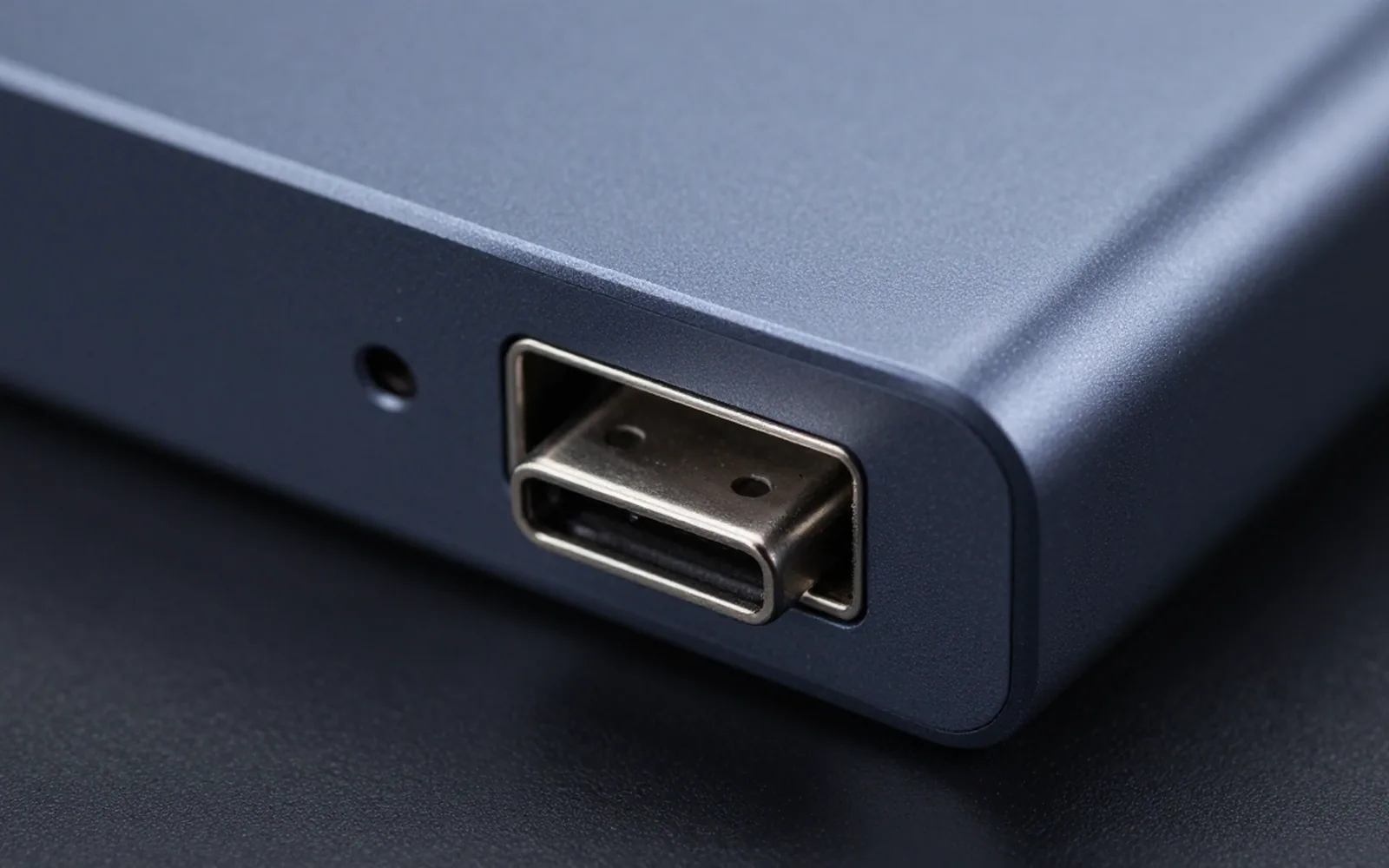
The label must show peak power delivery in watts, maximum data rate, and whether the cable supports video output. It must appear on the retail packaging and, for cables above 60 W, be moulded or printed onto the connector housing itself.
The moulded-connector requirement is the important half. A label on a box is useful once, at purchase. A marking on the connector is useful for the entire life of the cable, which is the actual problem - a drawer of identical black cables with wildly different capabilities.
Why this matters outside the EU
Manufacturers do not generally produce separate packaging for separate markets when the requirement is this cheap to meet. Expect the labels to appear globally within a year or two, in the same way that EU energy labels changed appliance design worldwide.
The practical benefit is the end of a specific, universal annoyance: discovering that the cable you grabbed charges at 15 W instead of 100 W, or carries USB 2.0 data speeds on a connector that looks identical to a Thunderbolt one.
It will not fix the cables already in your drawer. Buy a cheap USB-C power meter, spend twenty minutes testing what you own, and label them with a marker. We did this in the office and threw away six cables.
Filed 1 Sep 2026. We will update this post if the situation changes.