Mobile · Jul 2026 · Ranked 05 of 6
Mirador Flux 9
6.3/10
Great camera, short life
The hardware deserves better software support than Mirador is willing to fund.
Retail price tested $899
The Flux 9 does two things brilliantly and about six things badly, and Mirador has priced it as though it does everything brilliantly. Two years of updates on a $899 phone is not a policy, it is an expiry date.
Specifications
| Display | 6.4 in LTPO OLED, 2640 x 1200, 1-120 Hz, 2100 nits |
|---|---|
| Chipset | Mirador Kite 800, 4 nm |
| Memory | 12 GB LPDDR5X / 256 GB UFS 4.0 |
| Main camera | 50 MP, 1/1.3 in, f/1.7, OIS |
| Ultrawide | 12 MP, f/2.2, no autofocus |
| Battery | 4700 mAh, 68 W wired, 15 W wireless |
| Software | FluxOS 6, 2 OS updates, 3 years security |
| Build | Aluminium frame, IP68, 191 g |
| Price | $899 |
What we liked
- Main camera is genuinely class-leading in low light
- 6.4-inch LTPO panel hits 2100 nits and drops to 1 Hz
- In-hand feel is the best of any phone we have handled this year
- Charges to 60 percent in 18 minutes with the included brick
What we didn't
- Two years of OS updates and three of security patches. At $899.
- Ultrawide is a visibly worse sensor and the colour does not match
- Battery lasts 5 h 10 m of screen-on time, below the class average
- Bloatware: eleven preinstalled apps, four of which cannot be removed
The camera is the reason to consider it
The 50 MP main sensor is large - 1/1.3 inch - and Mirador's processing is unusually restrained. Skin tones are not smoothed into wax, shadows are allowed to stay dark, and the highlight rolloff on backlit subjects is the most natural we have seen outside of much more expensive phones.
Low light is where it separates itself. In a candlelit restaurant test at roughly 8 lux, the Flux 9 produced usable, sharp handheld shots at ISO 2000 where two competitors either smeared detail or blew the highlights on the candles.
Video is good but not exceptional: 4K60 with solid stabilisation, occasional exposure hunting when moving between light sources, and no log profile.
Where the camera system falls apart
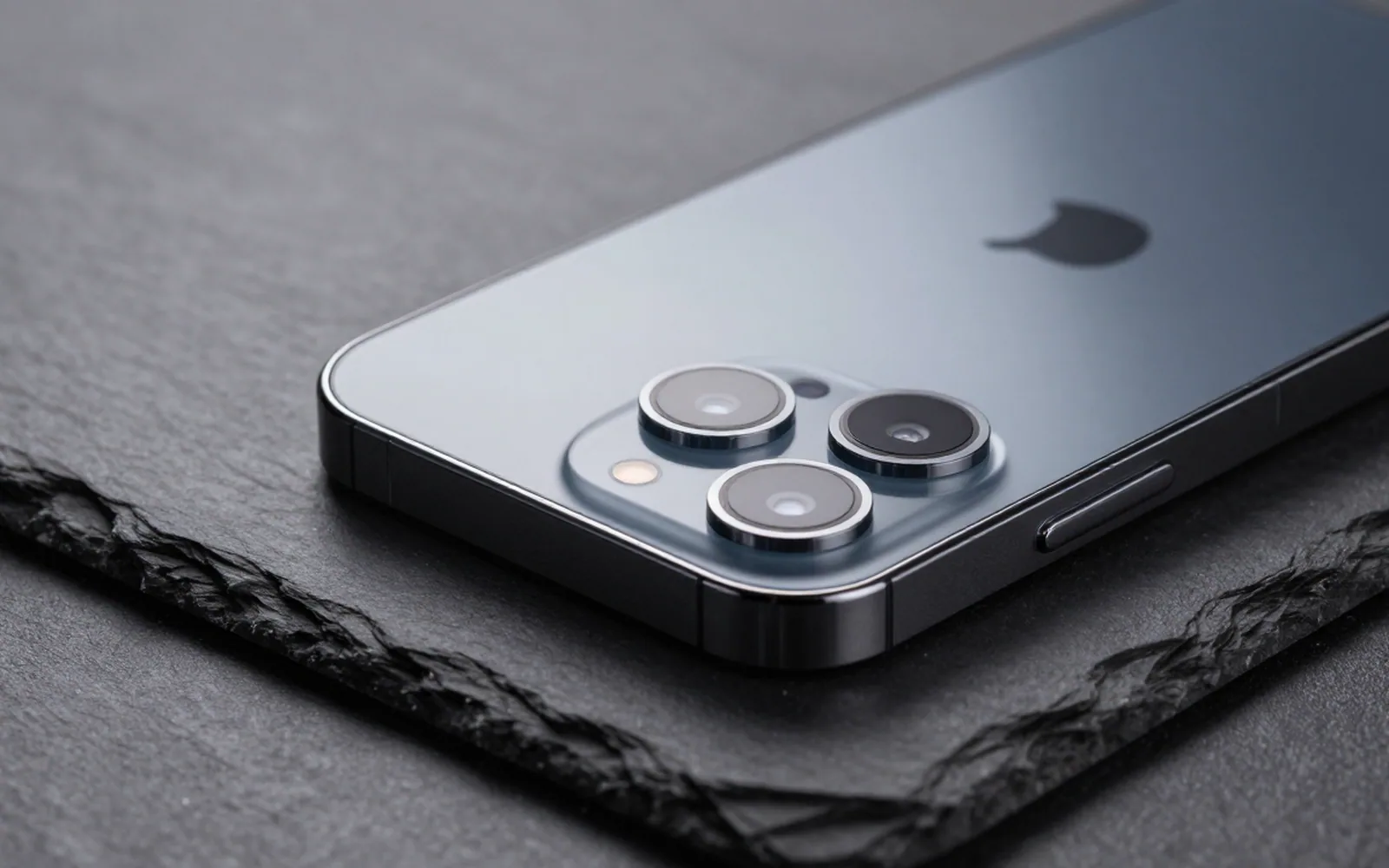
There are three lenses on the back and only one of them is good. The 12 MP ultrawide is a visibly older, smaller sensor with no autofocus, and its colour science does not match the main camera - swapping between them mid-shoot produces a noticeable shift toward green.
The third lens is a 2x 'telephoto' that is, on close inspection, a crop from a small sensor that produces results barely better than digitally cropping the main camera. Mirador should have left it off and charged $50 less.
Consistency matters more than peak quality in a phone camera, because you take the photo you can take, not the photo you planned. A phone with one great lens and two poor ones is a phone that disappoints you at random.
You are being asked to pay flagship money for a phone that will stop receiving security patches while it is still perfectly good hardware.
Battery and thermals
Five hours ten minutes of screen-on time in our mixed test puts the Flux 9 below the class average of about six hours, and well below the seven-plus that the best 4700 mAh phones manage. The LTPO panel is doing its job; the chipset is not.
Under sustained load - twenty minutes of 4K recording or a demanding game - the frame drops to 41 degrees and performance falls by about 28 percent. That is a normal amount of throttling for a thin phone, but it happens sooner here than on competitors.
Charging partly compensates. Eighteen minutes to 60 percent with the bundled 68 W brick, and Mirador still puts that brick in the box, which deserves acknowledgement.
The software policy is the dealbreaker
Two major OS updates and three years of security patches. Buy this phone in September 2026 and it stops receiving security fixes in 2029, while the hardware will still be entirely capable.
Competitors at this price offer five to seven years. This is not a technical constraint, it is a budget decision, and it turns a $899 purchase into something closer to a $300-a-year rental.
FluxOS 6 itself is clean enough once you delete what you can, but four of the eleven preinstalled apps cannot be removed, only disabled. On a phone this expensive that is insulting.
Verdict
Six point three. If the update policy matched the competition this would be a 7.8, and if the ultrawide matched the main sensor it would be an 8.5. Mirador built most of a very good phone.
The people who should buy it are photographers who upgrade every two years anyway and will genuinely use that main camera. For them the short support window is irrelevant and the price is defensible.
Everyone else should look at what $899 buys from a manufacturer that intends to support the product. There is a lot of it.
Reviewed Jul 2026. Unit purchased at retail for $899. GadgetGeek does not accept manufacturer loan units or affiliate commission.